
Anxiety is more than occasional worry. For many people, it shows up as persistent tension, racing thoughts, restlessness, or physical symptoms such as tightness in the chest, fatigue, or trouble sleeping. Over time, anxiety can begin to interfere with work, relationships, and daily routines.
One reason anxiety feels difficult to manage is that it often feeds on avoidance. When something feels uncomfortable or threatening, avoiding it may bring short-term relief. Unfortunately, that relief reinforces anxiety over time. The brain learns that avoidance equals safety, even when the situation is not truly dangerous.
This is where therapy for anxiety can make a meaningful difference. Instead of fighting symptoms alone, psychotherapy offers a structured way to understand anxiety and respond to it differently.
What Is Psychotherapy?
Psychotherapy is a collaborative process between a client and a trained mental health professional. It focuses on understanding emotional experiences, patterns of thinking, and behaviours that affect mental well-being.
In Ontario, psychotherapy is a regulated controlled act. Registered Psychotherapists follow ethical standards and evidence-based practices. According to the College of Registered Psychotherapists of Ontario (CRPO), psychotherapy aims to help individuals improve mental health, emotional regulation, and daily functioning through talk-based therapeutic approaches.
You can learn more about professional standards here:
https://crpo.ca/resources/what-to-know-about-psychotherapy/
Psychotherapy is not about giving advice or quick fixes. It is about building awareness, developing skills, and creating sustainable change over time.
How Therapy for Anxiety Improves Daily Life
Therapy for anxiety does not remove stress from life. Instead, it changes how people relate to anxious thoughts, feelings, and situations. Below are five effective ways psychotherapy supports this process.
1. Identifying Thought Patterns That Maintain Anxiety
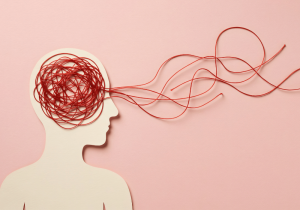 Anxiety often involves patterns of thinking that feel automatic. These may include catastrophizing, overestimating risk, or constantly anticipating worst-case outcomes.
In psychotherapy, clients learn to notice these patterns without judgment. With guidance, they begin to understand how thoughts influence emotional and physical reactions. This awareness creates space to respond rather than react.
Over time, people often report feeling less overwhelmed by their thoughts and more capable of evaluating situations realistically.
2. Learning Skills to Regulate the Nervous System
Anxiety is not only cognitive. It has a strong physical component driven by the nervous system. When the body remains in a heightened state of alert, symptoms such as rapid heartbeat, shallow breathing, and muscle tension can persist.
Therapy for anxiety often includes techniques that help calm the nervous system. These may involve breathing strategies, grounding exercises, or body-based awareness skills.
By practicing these tools in session and daily life, individuals learn how to settle their physiological response, making anxiety easier to manage when it arises.
3. Reducing Avoidance and Fear Responses
Avoidance is one of the most common ways anxiety stays active. Skipping social events, delaying tasks, or steering clear of certain situations may feel protective, but it strengthens fear over time.
Psychotherapy helps individuals gently approach avoided situations at a manageable pace. This process is collaborative and tailored to the person’s needs.
As confidence builds, many people notice that situations once driven by fear become more tolerable. Daily life begins to feel more open and less restricted.
4. Building Emotional Awareness and Tolerance
Anxiety can create a strong urge to escape uncomfortable feelings. This often leads to self-criticism or frustration about having anxiety at all.
In therapy, clients develop emotional awareness. They learn to recognize feelings as temporary experiences rather than threats. This skill supports emotional tolerance and reduces the intensity of anxious reactions.
With time, individuals often feel more stable during emotional challenges and less reactive in stressful moments.
5. Strengthening Daily Coping and Confidence
One of the long-term benefits of psychotherapy is improved confidence in managing life’s challenges. Therapy focuses on practical coping strategies that apply beyond sessions.
Clients learn how to recognize early signs of anxiety, respond effectively, and adjust when stress increases. This sense of preparedness often leads to improved decision-making, communication, and overall well-being.
Rather than feeling controlled by anxiety, many people regain a sense of agency in their daily lives.
What to Expect When Starting Therapy for Anxiety
Beginning therapy can feel intimidating. Many people worry about what to say or whether their concerns are serious enough.
Initial sessions typically focus on understanding your experiences, goals, and concerns. Your therapist will ask questions to gain context and work with you to develop a plan that feels appropriate.
Progress is not linear. Some weeks may feel easier than others. Psychotherapy is a process that unfolds gradually, with adjustments along the way.
Choosing the Right Support in Ontario
 When seeking therapy for anxiety, it is important to work with a qualified professional. In Ontario, Registered Psychotherapists are regulated and accountable to professional standards.
Choosing a therapist involves considering experience, approach, and comfort level. A good therapeutic relationship is built on trust and collaboration.
If you are considering professional support, Phillips Psychotherapy Services offers psychotherapy grounded in evidence-based practices and a client-centred approach.
Learn more about available services here:
https://phillipspsychotherapy.ca/
When to Seek Professional Help
Anxiety is common, but certain signs suggest that professional support may be helpful:
- Anxiety interferes with work, relationships, or sleep
- Symptoms feel persistent or worsening
- Avoidance limits daily activities
- Coping strategies no longer feel effective
Seeking therapy is not a sign of failure. It is a proactive step toward improved mental health and daily functioning.
Moving Forward With Support
Living with anxiety can feel exhausting, but support is available. Therapy for anxiety offers practical tools, insight, and professional guidance tailored to individual needs.
If you are considering psychotherapy, reaching out can be the first step toward lasting change. To begin a conversation or book an appointment, visit:
https://phillipspsychotherapy.ca/contact/
FAQs
How long does therapy for anxiety take?
The length of therapy varies. Some people notice improvement within a few months, while others benefit from longer-term support depending on goals and complexity.
Is psychotherapy effective for anxiety?
Research supports psychotherapy as an effective approach for many anxiety-related concerns when delivered by trained professionals.
Do I need a diagnosis to start therapy?
No. Many people seek therapy based on symptoms or distress rather than a formal diagnosis.
Is psychotherapy the same as counseling?
Psychotherapy is a regulated form of counselling in Ontario with defined professional standards and training requirements.